Fishing means early mornings and sunburn. Mountain biking means punctures and scraped shins. Hunting means long days, cold fingers, and more walking than you’d planned for.
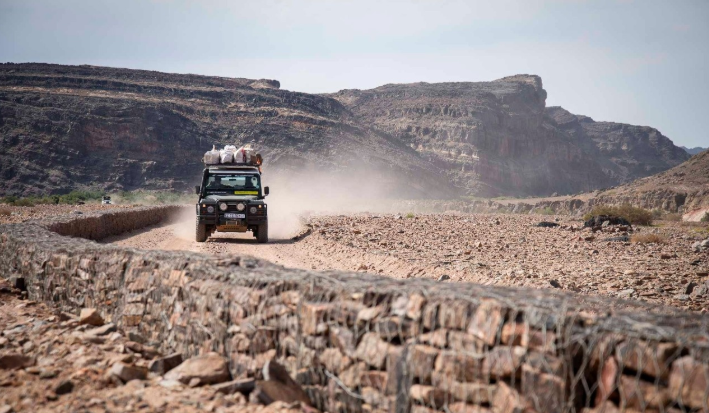
In our world of off-road travel, the price we pay for remote places, empty roads and wild campsites, is dust.
Fine red dust. White talcum-powder dust. The kind that creeps into drawers, camera bags, recovery kits, and bedding. The kind that some how finds its way into sealed ammo boxes and zipped canvas bags.
And here’s the cruel reality. Double-cabs were never designed to be dust-proof. In fact, they’re not even designed to be dust-resistant. Of course, we’re talking about the ‘bak’, not the cabin.
Most vehicle manufacturers engineer their bakkies for load-carrying performance, not for canopy fitment and dust prevention.
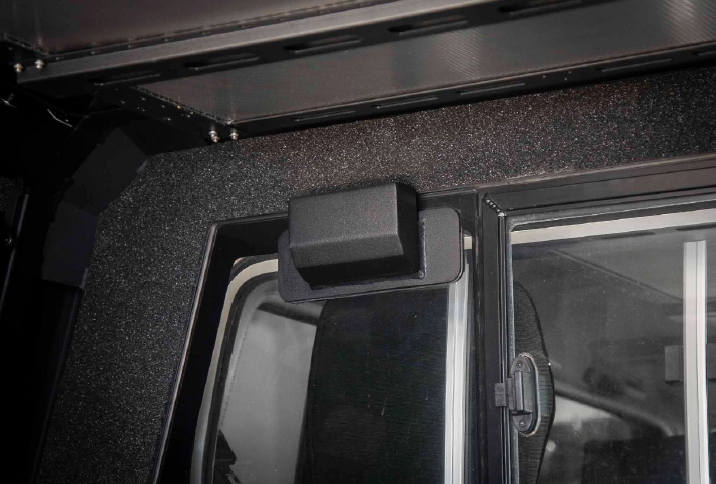
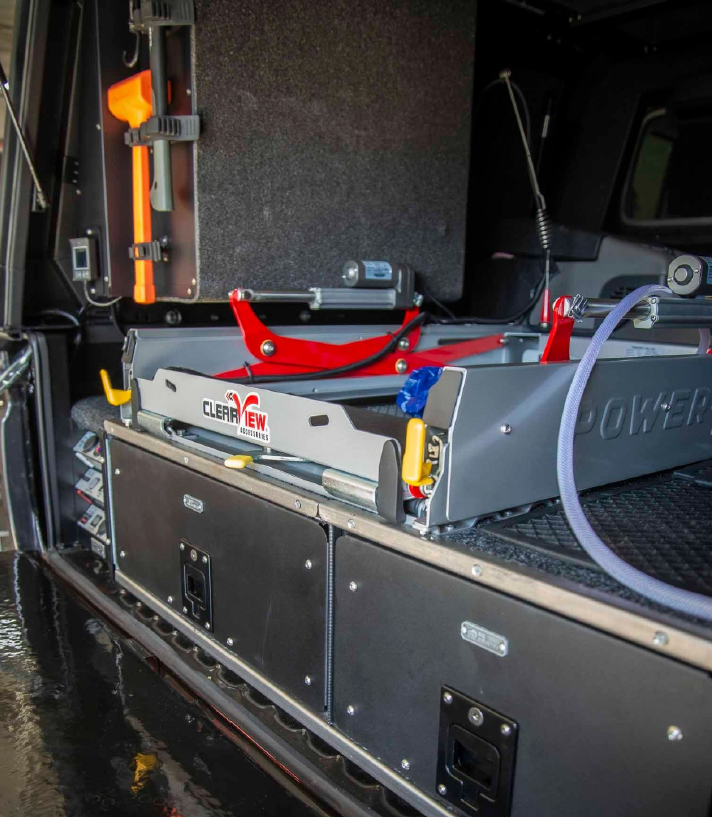
Above & Below: The pressure vent only works if the air volume entering the canopy is greater than the volume exiting through holes and gaps, which aren’t always obvious. Every opening should be sealed.
THE GREAT ESCAPE
Your vehicle’s tailgate is obviously the biggest culprit — this is where most of the pressurised air is escaping, and therefore, allows dust to penetrate.
That’s where tailgate sealing kits come in. Brands like Front Runner, Bushtech, and Seikel all offer different approaches to solving this problem. Some kits are riveted into place, while others use adhesive-backed rubber seals.
Fundamentally, they’re all designed to do the same thing; provided the installation is done properly, they’re there to prevent dust from entering in around the tailgate. Unfortunately, the dust problem seldom ends with just a tailgate kit and that’s because there are other areas which require attention.
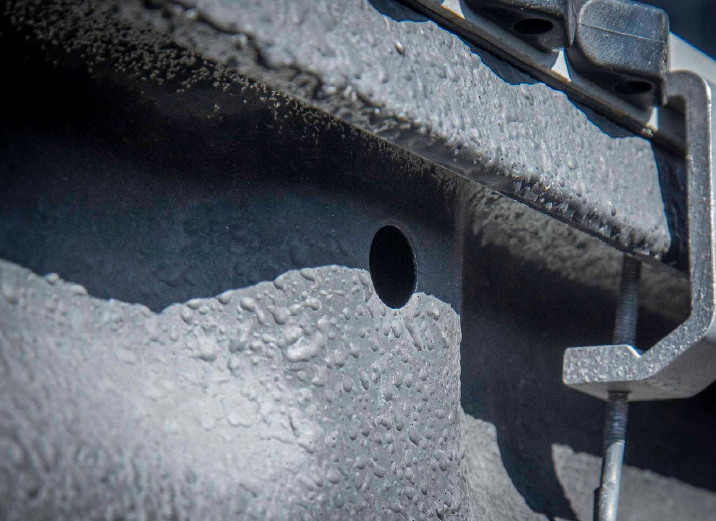
Many load bins also have hidden openings along the upper edges wherethe inner and outer skins fold together. If these aren’t sealed correctly, dust will continue to find its way inside no matter how good your tailgate seal is.
We also advise customers to opt for smooth rubberising rather than overly rigid or heavily textured linings. Ultra-smooth rubberising is not only easier to clean and more practical as a work surface on the tailgate, but it also seals far better against the canopy and dust-seal kit itself.
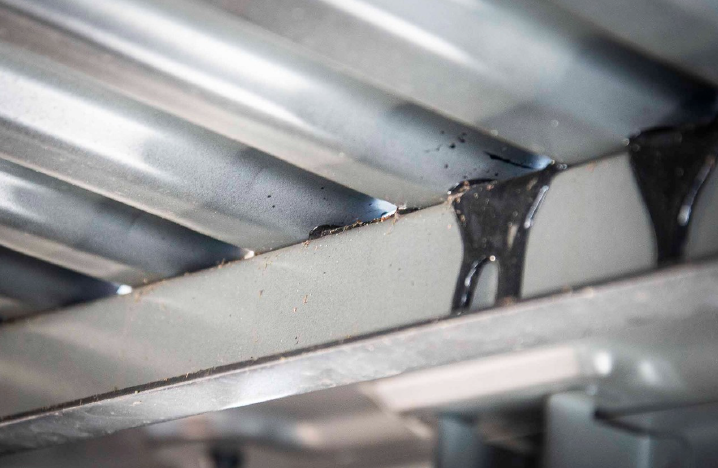
Above: An example of a hidden air “leak” where the load-bin meets the cab on an LC79. Often, it may look like the rubberising has sealed the gaps from the top, but a view from the undercarriage reveals a different picture.
SEAL THE DEAL
Some bakkies seal easily. Others seem almost impossible to lock down. And some require constant maintenance and experimentation to keep the dust at bay.
The good news is that modern canopy design has come a long way, and with the right combination of vents, seals, and patience, you can dramatically reduce the amount of dust entering your load bin.
The reality, however, is that you probably won’t get everything perfect onyour first attempt.
Generally, plastic load bin liners are a major headache for reasons beyond just tailgate dust kits. They can also make the mounting of drawer systems and other accessories far more challenging.
We typically advise customers that, if they’re ordering a new top-of-the-range bakkie, they should ask the dealer to forgo the fitment of any plastic liner.
Most experienced overlanders approach dust-proofing as a step-by-step process: seal the tailgate, do a trip, inspect where the dust collects, then address the next weak point.
After two or three trips, most vehicles improve dramatically. But even then, dust-sealing remains something of a moving target, especially on vehicles that spend their lives on corrugated gravel roads where things can easily shift.
In the end, dust-proofing isn’t about achieving perfection. It’s about making life on the road cleaner, simpler, and more comfortable, while accepting that some hardship is inevitable.
Get more blogs like this sent to your inbox by subscribing to our newsletter below.
.
Ready to keep dust out of your canopy? For more information on our dust-sealing kits, pricing, and professional installation services, call us on (021) 595 3910 or email sales@safarict.co.za
Get the latest 4×4 guides, product reviews, off-road tips, and exclusive deals delivered straight to your inbox!