Picture this…
The sun’s dipping below the horizon, and you’re 100 km out from your
destination. You and your family are driving through the middle of
nowhere. You glance down at your fuel gauge and realise you’re going to need diesel. ASAP!
Luckily, you drive into a small, remote town (better described as a village) and spot a fuel station across the road. However, something seems off.
Upon closer inspection, the pumps are clearly in disrepair. There’s rust
everywhere. The main diesel storage tank is mounted on a corroded frame above the ground. A group of loiterers hover around the pump, clutching paper bags with bottles inside them, while two people argue over who gets the last cigarette.
Every instinct urges you to keep driving, to push on toward cleaner fuel, a hot meal, and your accommodation for the night. But what about fuel? What if you run out and get stranded? Then, a wave of relief washes over you. Why? Because you installed a long-range fuel tank before embarking on this trip, and these situations are no longer a concern for you.
Of course, having the ability to fill up where you want – while being picky about potential diesel quality – is one of the many perks associated with fitting a long-range fuel tank. But there are other benefits, too:
If you haven’t yet taken the plunge on a long-range tank but would like to know more before making a decision, here are some key considerations to keep in mind.
Long-range fuel tanks typically come in two varieties: Replacement tanks or Auxiliary tanks.
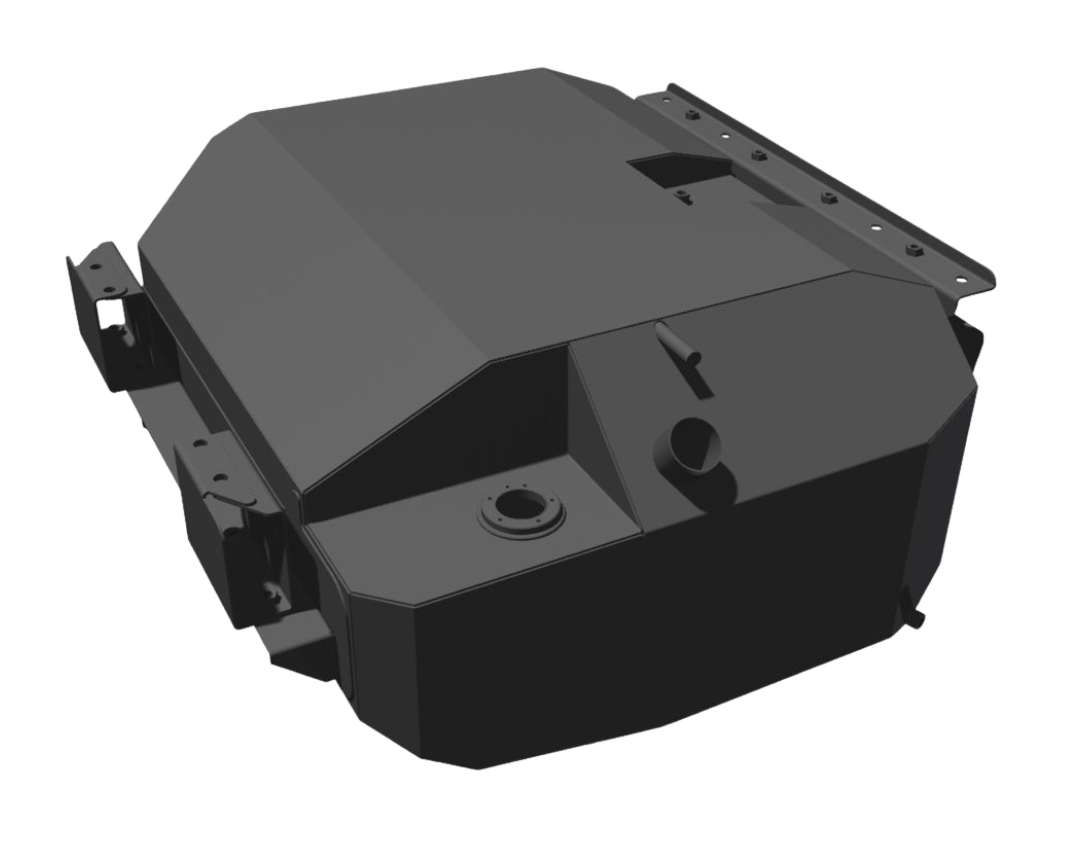
Replacement: As the name suggests, a replacement tank completely replaces your vehicle’s existing fuel tank with an aftermarket solution that does a better job of maximizing undercarriage space while providing a purpose-made solution for long-distance travel.
The benefit of this setup is that the installation is usually more
straightforward than that of an auxiliary tank. In most cases, the
replacement tank utilises the vehicle’s existing hardware, including the
factory-fitted pipework, the existing mounting holes, the electrical system,
and the filler port. The old tank is literally dropped out, and the new one
installed.
In that sense, a replacement tank is generally more reliable and less likely to cause issues. What’s more, if you want to reverse the procedure before selling the vehicle, it’s an easier task.
The downsides are:
reading will be inaccurate, and you’ll have to calculate your range manually.
Auxiliary: In some cases, a replacement tank may not be an option, and an auxiliary setup is the only available solution. An auxiliary tank is typically mounted alongside the existing fuel tank, but in some cases, it’s positioned below the factory-fitted unit.
The installation of an auxiliary tank is generally more complex and often requires additional components, including piping, wiring, switchgear, or even an additional pump or filler point. This means more things can go wrong with the system, and it may need more upkeep and maintenance.
Furthermore, your spare wheel may sit lower under the vehicle, and the refueling process can take significantly longer, depending on the pipework and how well the tank displaces air as the fuel enters the system.
That said, the advantages of an auxiliary system include:
tank remains untouched.
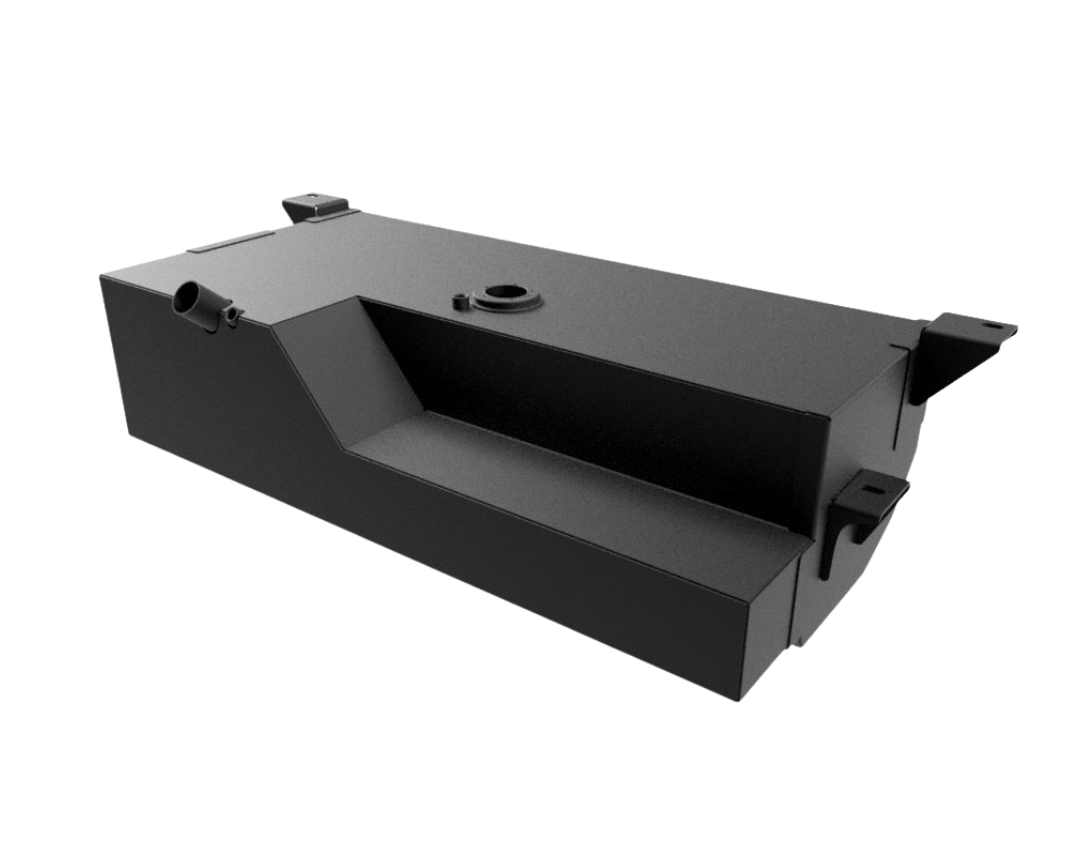
Ultimately, choosing between a replacement long-range tank and an auxiliary system often comes down to what’s available for your specific
vehicle – and, more importantly, which system works best with it. In some cases, a well-designed replacement tank may be a more reliable
and practical option for your vehicle when comparing the various products available. Unfortunately, only experience and time in the field can provide
accurate advice in that regard.
But whichever route you choose, one thing remains clear: the benefits of carrying extra fuel – especially when travelling long distances or venturing off the beaten track – are undeniable. With a long-range fuel tank fitted, you gain peace of mind, flexibility, and the confidence to go further, even when you’re unsure where “further” might take you.
Get the latest 4×4 guides, product reviews, off-road tips, and exclusive deals delivered straight to your inbox!